Leave Your Message
0%

In today’s world, where electronic devices are everywhere we look, protecting sensitive equipment from electromagnetic interference—aka EMI—has honestly never been more important. That’s where our Copper Nickel Shielding Fabric really shines. It offers a solid, reliable solution for all kinds of industries and applications. Here at SHIJIAZHUANG 3L TECHNOLOGY CO., LTD., we’ve been pioneering the field of high-tech Textiles since 2009. We’re passionate about turning cutting-edge materials into game-changing solutions that really work. Our experience with Copper Nickel Shielding Fabric means you can count on top-notch protection and dependability—setting new benchmarks in EMI Shielding tech. This guide is all about helping you get a better grip on how versatile and effective this fabric is in protecting electronic systems from interference, plus giving you a peek into how we’re pushing the boundaries with our innovative approach in this crucial area.
Ultimate Guide to Understanding Copper Nickel Shielding Fabric Applications

Understanding the Basics of Copper Nickel Shielding Fabric and Its Benefits

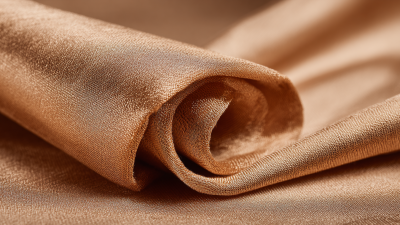
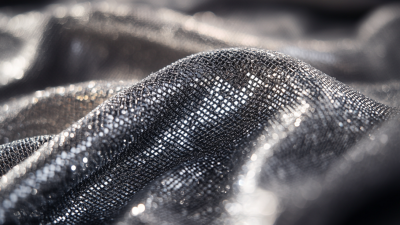
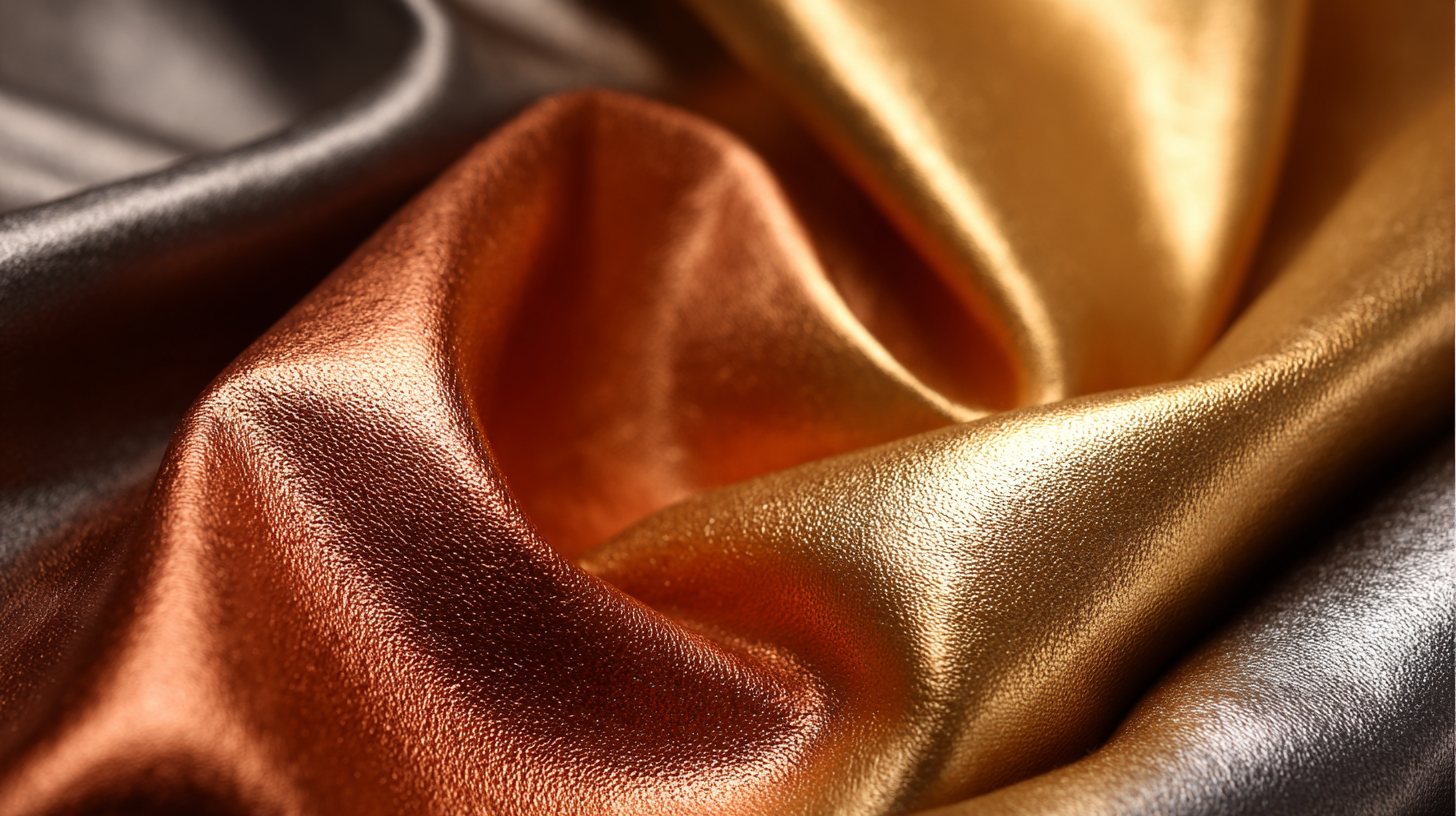
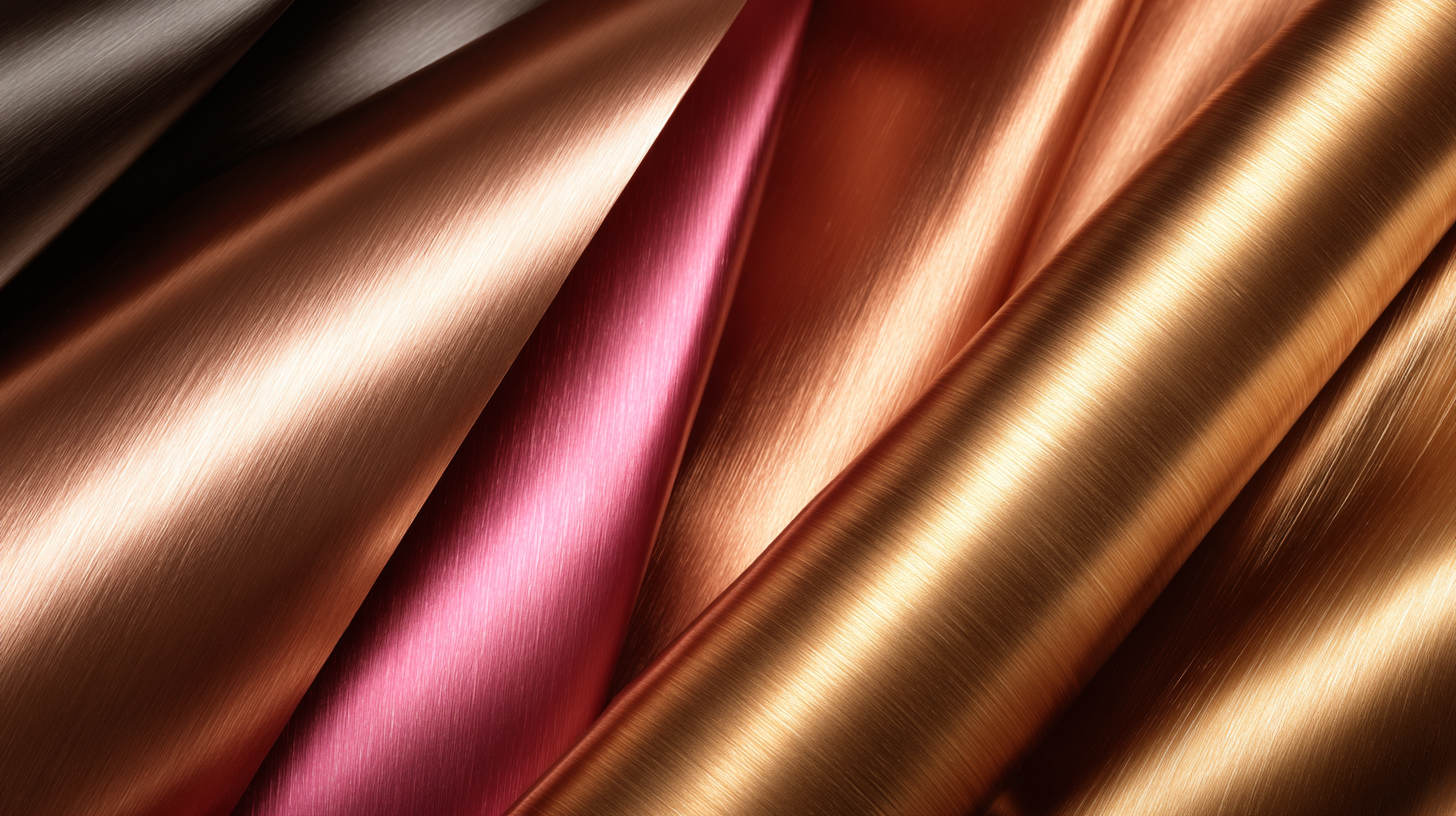
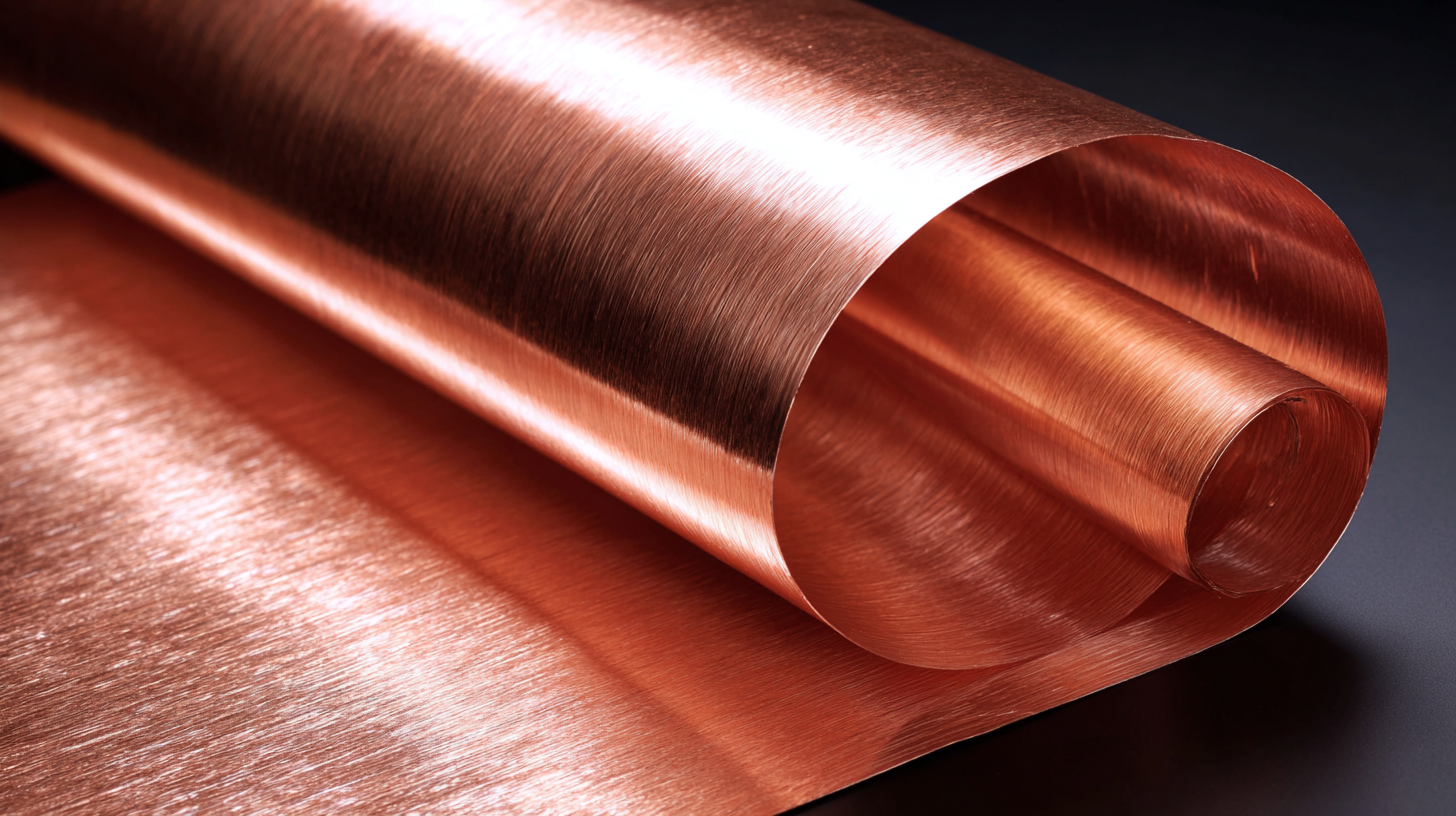
Copper-nickel shielding fabric is a pretty neat material that's specifically made to tackle electromagnetic interference, or EMI for short. What’s cool about it is that it combines the excellent conductivity of copper with the rust-resistant properties of nickel—so, it’s great at blocking unwanted signals but also tough enough to handle different environmental conditions. This makes it super handy for all sorts of uses, from military gear to medical devices, where keeping signals clean and clear is a real must.
Ultimate Guide to Understanding Copper Nickel Shielding Fabric Applications

Key Applications of Copper Nickel Shielding Fabric in Various Industries

Copper-nickel shielding fabric has actually become pretty much a go-to material across a bunch of industries because of its unique ability to block electromagnetic interference (EMI). Take the aerospace world, for example—this fabric is super important for protecting sensitive electronic gear from the high levels of electromagnetic radiation you run into during flights. I read a report from MarketsandMarkets that said the market for aerospace EMI shielding is expected to jump from about 1.35 billion USD in 2023 to around 2.1 billion USD by 2028. That’s a pretty solid sign that there's a strong demand for good shielding solutions.

In the electronics scene, copper-nickel fabric is equally crucial. It helps keep consumer gadgets and industrial equipment reliable, especially as wireless tech keeps getting more popular. With that rise in wireless devices, EMI problems are popping up more often, so folks are on the hunt for better shielding materials. A report from Fortune Business Insights predicts that the global market for EMI shielding will hit roughly 7.12 billion USD by 2026—mainly because advancements in copper-nickel alloys make for really effective, yet lightweight, shielding.

And don’t forget the automotive industry—especially with electric vehicles taking off. They need top-notch EMI solutions to protect their sensitive electronics from interference. The market for automotive EMI shielding is expected to top around 3.5 billion USD by 2025, mainly because modern cars are packed with more and more electronic systems. Copper-nickel fabric, thanks to its great conductivity and durability, has become a favorite among manufacturers looking for reliable ways to safeguard their electronic parts from EMI issues.

Tips for Choosing the Right Copper Nickel Fabric for Your Shielding Needs

When you're trying to pick the right copper-nickel shielding fabric for your project, there are a few things you really should consider. These can make a big difference in how well your shielding works and how long it lasts. First off, think about the frequency range of the electromagnetic interference (EMI) you're trying to block. Different fabrics perform better at different frequencies, so having a clear idea of your specific needs is pretty important for getting the best results.

Another thing to keep in mind is the thickness and weight of the fabric. Usually, thicker fabrics do a better job at shielding, but they can also be heavier and less flexible, which might be a problem depending on what you're working with. It’s all about finding that sweet spot between the level of protection you need and the physical constraints of your application. Don’t forget to also consider the environment where the fabric will be used—stuff like moisture, temperature changes, or rough conditions can really impact how long your shield will last and stay reliable.

And of course, make sure the fabric you choose fits the specific demands of your project, whether it’s for military gear, aerospace use, or even consumer electronics. Taking the time to thoroughly evaluate different copper-nickel fabrics and how they line up with your goals will really help you end up with the most effective shielding solution for what you need.

Installation Best Practices for Copper Nickel Shielding Fabric

When you're installing copper-nickel shielding fabric, sticking to some good practices really helps ensure it works well and lasts longer. First off, you wanna make sure the area where you're working is prepped properly. That means cleaning the surface thoroughly, making sure it’s dry, and free of any dirt or grime that might mess with the adhesion. Picking the right tools for measuring and cutting the fabric is also a big deal—being precise helps get a nice, snug fit and cuts down on waste. Oh, and don’t forget to think about things like humidity and temperature—that stuff can actually impact how easy the installation is and how well the fabric performs in the long run.

When it comes to layering, it’s pretty important to stagger the seams if you're stacking multiple layers—that way, you avoid creating straight shot paths for electromagnetic interference. Securing the fabric with good-quality adhesives or fasteners, as recommended by the manufacturer, is also a smart move. Once everything’s up, it’s a good idea to do a quick once-over, making sure all the edges are sealed properly and there are no gaps. Follow these simple tips, and you’ll boost the shielding fabric’s effectiveness, keeping your setup reliable and protected from electromagnetic interference over time.

Maintenance Tips to Extend the Lifespan of Copper Nickel Shielding Solutions

Taking care of your copper-nickel shielding solutions is really important if you want them to last longer and work at their best. I’d say, make it a habit to do regular inspections—check for any signs of wear, rust, or damage, especially around the seams and edges since those spots tend to be more exposed to the elements. And don’t forget about cleaning! A gentle wipe with some mild detergent and lukewarm water does the trick. Just steer clear of harsh chemicals because they can weaken the material and mess up its protective qualities.

Another thing is how you store the fabric when you're not using it. Keep it in a dry, cool place—away from direct sunlight and dampness, which can cause it to break down over time. Also, try not to fold it too tightly; instead, gently roll it up to keep it in good shape. Follow these simple tips, and your copper-nickel shielding fabric will stay more durable and reliable for years. Trust me, a little care really goes a long way!

Ultimate Guide to Understanding Copper Nickel Shielding Fabric Applications

Exploring the Benefits and Applications of 12μm ~ 22μm Pure Copper Fiber in Modern Technology

Exploring the Benefits and Applications of 12μm ~ 22μm Pure Copper Fiber in Modern Technology

The introduction of 12μm ~ 22μm pure copper fiber into modern technology marks a significant advancement in materials science. Known for its large specific surface area and excellent flexibility, copper fiber is produced through intricate processes that include surface treatment, bundling, drawing, and electrochemical separation. This meticulous fabrication results in fibers that not only maintain sufficient strength but also excel in conductivity, making them ideal for various applications across different industries.

Recent industry reports indicate that the global market for conductive fibers is expected to reach $1.5 billion by 2025, driven by the increasing demand for smart textiles and advanced electronics. The intrinsic properties of copper fibers, especially their effective electrical conductivity, position them as a superior choice for applications such as flexible electronics, wearable technology, and electromagnetic interference shielding. For instance, incorporating pure copper fiber into textiles can enhance their functionalities, allowing garments to become more than just clothing but rather integrated smart devices.

Moreover, the versatility of copper fibers expands into areas like battery technology. Studies have shown that using copper fibers in composite materials can significantly improve the performance and longevity of batteries and supercapacitors. In energy storage, these fibers contribute to better conductivity and charging characteristics, paving the way for more efficient energy solutions. As industries continue to innovate, the potential applications of 12μm ~ 22μm pure copper fiber appear boundless, heralding a new era in material technology that aligns with sustainability and performance.

FAQS

: What is copper nickel shielding fabric?

: Copper nickel shielding fabric is a specialized material designed to provide effective electromagnetic interference (EMI) shielding by combining the conductive properties of copper with the corrosion resistance of nickel.

What are the benefits of using copper nickel shielding fabric?

The benefits include versatility in applications, lightweight and flexible nature, effective heat dissipation, enhanced performance and longevity of products, and compliance with strict EMI regulations.

How can copper nickel shielding fabric be integrated into products?

The fabric can be easily incorporated into various products such as clothing, enclosures, and structural components without compromising design or functionality.

What are the best practices for installing copper nickel shielding fabric?

Best practices include preparing the installation area, using precise measuring and cutting tools, staggering seams for multiple layers, securing with recommended adhesives or fasteners, and conducting inspections post-installation.

What maintenance practices should be followed for copper nickel shielding fabric?

Regular inspections for wear and damage, gentle cleaning with mild detergent, correct storage away from extreme conditions, and avoiding tight folds are recommended for maintaining the fabric.

How should copper nickel shielding fabric be cleaned?

It should be cleaned with a mild detergent and lukewarm water, avoiding harsh chemicals that could damage the shielding material.

What environmental conditions can affect the performance of copper nickel shielding fabric during installation?

Humidity and temperature are critical environmental factors that can influence both the installation process and the fabric’s performance.

How should copper nickel shielding fabric be stored when not in use?

The fabric should be stored in a dry, cool environment away from direct sunlight and humidity, preferably rolled gently to avoid creating stress points.

Why is proper layering technique important during installation?

Proper layering and staggering seams are crucial to avoid creating direct pathways for electromagnetic interference and to enhance the fabric’s shielding effectiveness.

What signs should indicate maintenance needs for copper nickel shielding fabric?

Users should look for signs of wear, corrosion, or damage, especially at seams and edges, which are most exposed to environmental factors.

Conclusion

Copper Nickel Shielding Fabric is quite the game-changer! It’s a cutting-edge material that combines high-tech textiles with top-notch shielding abilities, making it perfect for a wide range of industrial uses. If you’re trying to figure out whether it’s the right fit for your project—whether it’s electronics, communications, or other tech-driven fields—getting a good grasp of its basics and benefits is really important.

In this detailed guide, we’ll walk you through some common applications of Copper Nickel Shielding Fabric across different industries. We’ll also share handy tips on choosing the right fabric and best practices for installation so you can get the most out of your shielding setup. Plus, we’ll cover some simple maintenance advice to help keep your shielding solutions in tip-top shape for the long haul. Here at SHIJIAZHUANG 3L TECHNOLOGY CO., LTD., we’re all about delivering innovative, high-performance textile solutions that set new industry standards and meet our clients’ shielding needs with confidence.
Liam

Liam

Liam is a dedicated marketing professional at SHIJIAZHUANG 3L TECHNOLOGY CO., LTD., where he has been instrumental in showcasing the company’s expertise in advanced technical textiles since 2009. With a deep understanding of high-performance Tech-textile materials, Liam plays a vital role in......
Previous Exploring the Versatility of Silver Coated Fabric for Global Industries