Lately, the textile world has been buzzing a lot around new and innovative materials—one that’s been catching everyone's eye is Metal Fiber Cotton Mixed Yarn. You know, the kind that mixes good old cotton with shiny metal fibers. According to a report from MarketsandMarkets, the global market for technical textiles might hit around $200 billion by 2026. That’s pretty impressive, right? It just goes to show how much the demand for specialized Fabrics is climbing across different industries.
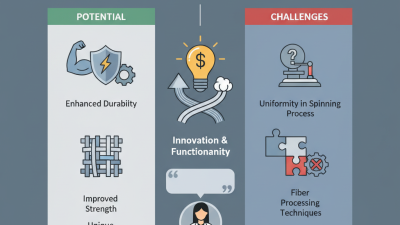
What’s cool about this kind of yarn is that it blends traditional cotton with Metal fibers, giving it some pretty neat perks like better conductivity and a tougher build. For instance, stainless steel mixed sliver and metal cutting staple fibers are making a real difference in the realm of smart textiles. We’re seeing their use expand from cars to healthcare tools. But, of course, weaving these fibers into textiles isn’t always smooth sailing—there can be some tricky parts. That’s why companies like Suffolk Performance Materials are stepping in to educate folks on how to get the most out of these fibers, especially the Metal draw-cut and metal mixed staple ones.
Even though the benefits are obvious, mastering the craft of applying these materials perfectly is still a work in progress. There's a bit of a balancing act going on—finding that sweet spot between flexibility and strength isn’t always easy. Still, the potential of Metal Fiber Cotton Mixed Yarn is huge—it just needs a careful touch. If industry players can tackle these challenges head-on, we’re looking at some seriously innovative textiles that really match today’s needs.
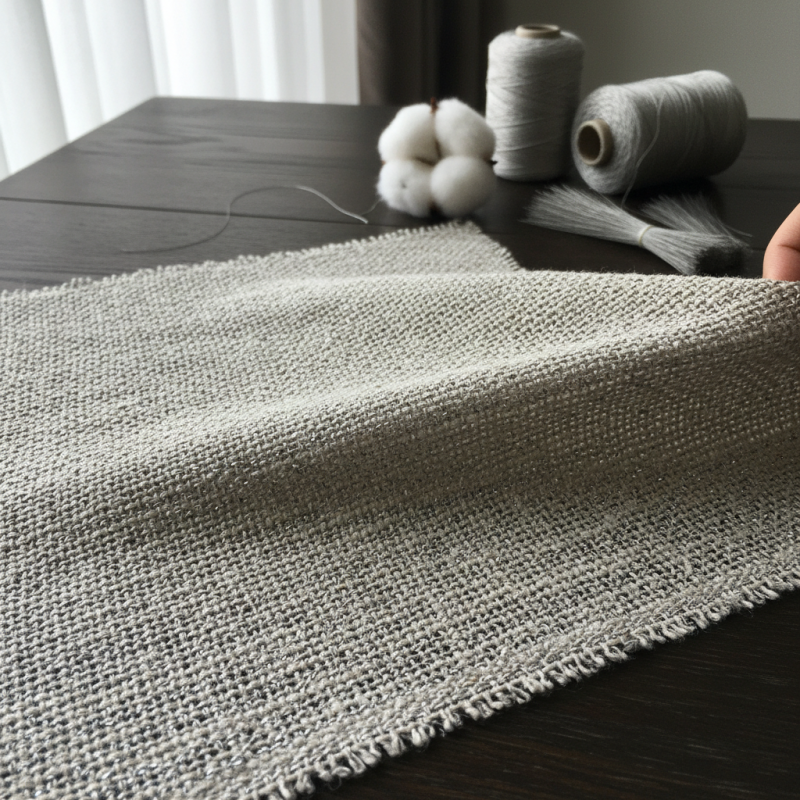
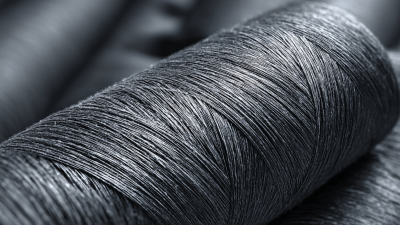
Metal fiber cotton mixed yarn combines the strength of metal fibers with the softness of cotton. This unique blend benefits textile applications in various ways. The metal fibers enhance durability and resistance to wear, while cotton provides comfort. Together, they create fabrics suitable for industrial uses and everyday apparel. This combination is not just functional; it also contributes to aesthetics. The metallic sheen adds a distinctive visual appeal.
Understanding the properties of this yarn is crucial. It offers excellent thermal conductivity, which can be beneficial in applications requiring temperature regulation. However, crafting garments with this yarn can be a challenge. The blending process needs to be precise. An uneven mix can lead to inconsistency in texture. Additionally, the heavy weight of the metal fibers may affect the drape of the fabric. This requires careful consideration during design.
Metal Mixed staple fiber plays an important role in this blend. It can influence the final fabric's strength and flexibility. However, using metal cutting staple fibers poses its own set of challenges. They demand careful handling to maintain quality. The manufacturing process can sometimes lead to fraying or breakage. Understanding these nuances is key for textile professionals looking to leverage this innovative material effectively.
Metal Fiber Cotton Mixed Yarn is gaining traction in the textile industry. This innovative material offers a unique combination of properties. Its applications span various sectors, including protective clothing and technical textiles. According to a recent industry report, the demand for advanced textiles is projected to grow by 5.7% annually through 2025. This places metal fiber cotton mixed yarn at the forefront of textile innovation.
The textile industry is increasingly looking towards materials that enhance performance. Metal fiber cotton mixed yarn provides superior heat resistance and durability. It is ideal for creating high-performance workwear and military gear. Using Bulletproof 1000d Aramid Yarn Ballistic Kevlar Aramid Fiber Yarn alongside these fibers can further enhance protective qualities. This combination significantly improves resistance to wear and tear while maintaining comfort.
Tips: When using metal fiber cotton mixed yarn, ensure proper blending techniques. A uniform distribution of fibers enhances overall performance. Experiment with different ratios of metal to cotton fibers for optimal results. Always test the final material under various conditions to ensure its effectiveness. A small mistake in the blending process can lead to performance issues. Continuous evaluation is key to achieving the best outcomes in your textile applications.
Metal fiber cotton mixed yarn offers unique advantages in textile production. This innovative combination enhances the overall quality of fabrics. The metal fibers provide strength, while cotton ensures comfort and breathability. Together, they create a fabric that is durable yet soft against the skin.
One significant benefit is improved conductivity. This feature makes the yarn suitable for smart textiles. Fabrics using this mixed yarn can interact with electronic devices. It allows users to experience both fashion and functionality. Additionally, the incorporation of metal fibers can increase resistance to wear and tear, extending the lifespan of clothing.
However, challenges exist. The blending process can be tricky. Achieving the right balance between metal and cotton requires careful attention. If not done correctly, the fabric may lose its desirable qualities. Producers must continuously experiment with ratios to find the optimal mix. This pursuit of perfection can lead to exciting innovations but may also result in setbacks.
Blending metal fiber with cotton yarn presents unique opportunities in textile applications. This fusion enhances fabric properties, such as strength and conductivity. According to industry reports, the demand for conductive textiles has increased by 15% annually. This trend is primarily driven by the rise in smart textiles meant for wearable technology.
Combining these two materials requires precise techniques. Proper mixing ratios are crucial. A common ratio is 30% metal fiber to 70% cotton. This balance maintains comfort while improving durability. However, achieving an even blend can be challenging. Uneven distribution may lead to weak spots in the fabric. Testing sample batches is essential to ensure consistency throughout production.
Additionally, the dyeing process should be considered. Metal fibers often resist staining. This characteristic can impact the final look of the fabric. Trial and error in dye selection may be necessary. While blending cotton and metal fibers offers benefits, challenges in production can lead to inconsistent results. Regular evaluation of processes is vital for quality assurance.
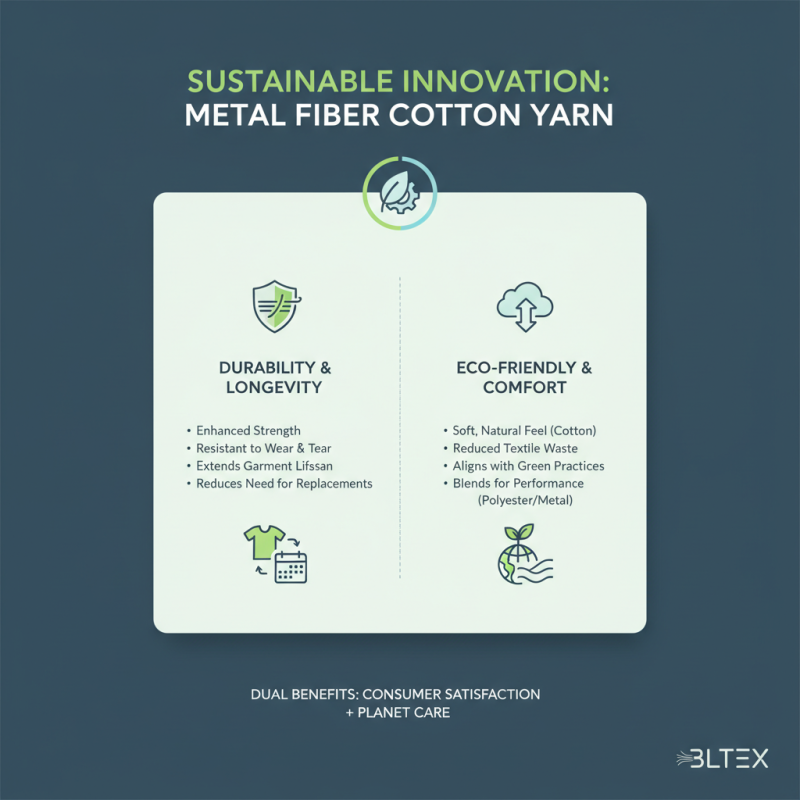
Sustainability plays a crucial role in the use of metal fiber cotton mixed yarn. This type of yarn combines the durability of metal fibers with the softness of cotton, creating innovative textiles. Reports indicate that blending metal fiber with polyester mixed fiber can enhance the longevity of garments, reducing waste over time. This dual benefit not only satisfies consumer demands but also aligns with eco-friendly practices.
However, the environmental impact of sourcing metal fibers cannot be overlooked. Mining and processing metals require significant energy. Researchers estimate that metal production can emit up to 3.5 tons of CO2 per ton of metal. Thus, careful selection of suppliers and production methods is essential for minimizing this footprint. Selecting recycled metal fibers can be one effective mitigation strategy.
**Tips:** When exploring metal fiber cotton yarn, assess life cycle costs. Evaluate if the durability of the textile justifies its energy-intensive production. Additionally, consider sourcing local materials to reduce transportation impacts. Engaging in transparent supply chains can further enhance sustainability efforts, aligning with the growing demand for eco-conscious products in textile applications.
Textiles made from metal fiber cotton mixed yarn require specific maintenance and care to ensure longevity. Mixed yarn can be delicate. It combines strength with softness but may also be more prone to wear if not treated properly. Researchers indicate that textiles with a blend of metal fiber with polyester mixed fiber can lose their unique properties if subjected to excessive heat or harsh chemicals.
Washing such fabrics should be done carefully. It's best to use cold water with mild detergents. Avoid fabric softeners, as they can leave residues that affect the fabric's performance. Drying should be done in the shade rather than direct sunlight; this helps maintain the color and strength of the fibers. Studies have reported that textiles exposed to UV light can degrade, leading to a significant loss in tensile strength over time.
Long-term care can pose challenges for users unfamiliar with mixed yarn fabrics. Some users have reported issues with pilling and fading. Regular inspection for any signs of damage is crucial. If necessary, use a soft brush to remove dirt and lint gently. Ignoring these aspects may lead to premature deterioration, affecting both appearance and performance. Being mindful of these elements can help maintain the integrity of your textiles over time.
The textile industry is evolving rapidly. Metal fiber cotton mixed yarn is gaining traction. This blend offers enhanced durability and conductivity. As sustainable practices grow, this material stands out. Eco-conscious consumers appreciate its reduced environmental impact.
Future trends indicate a rise in smart textiles. These fabrics incorporate sensors for health monitoring. Metal fiber cotton yarn can facilitate this technology. Imagine clothing that tracks your heart rate or temperature. This innovation brings a significant change to everyday wear.
However, challenges remain. Manufacturers need to find the right balance between comfort and functionality. Consumers may hesitate due to unfamiliarity with metal fibers. Education on these materials is essential. The path forward is clear, but hurdles must be addressed. Without collaboration and research, progress may stall.
PBO fiber yarn is rapidly gaining recognition in the textile industry due to its remarkable versatility and robust performance in extreme conditions. With a high temperature resistance of up to 450 degrees Celsius, PBO staple fiber yarn is engineered to withstand harsh environments, making it an ideal choice for a variety of specialized applications. This fiber is not only resilient to heat but also possesses excellent spunability, which facilitates the production of durable and high-performance textiles.
The applications of PBO fiber yarn are extensive, particularly in fields that require cutting and puncture resistance. It is widely utilized in the creation of fire-fighting fabrics, high-temperature workwear, and specialized safety clothing designed for fire rescue operations. Furthermore, it serves a crucial role in the production of technical fabrics that are employed in industrial settings, including heat-resistant belts and high-temperature filter materials. The yarn’s ability to maintain structural integrity and performance under pressure makes it indispensable for industries such as glass processing, where shock absorption is critical.
As industries continue to adopt advanced materials to enhance safety and performance, PBO fiber yarn stands out as a key solution that meets these evolving demands. Its properties not only enhance the durability of products but also contribute to the overall effectiveness of safety gear, ensuring that professionals can operate confidently in hazardous environments.
: It's used in protective clothing and technical textiles, enhancing performance and durability.
It combines strength from metal fibers with comfort from cotton, resulting in durable yet soft fabrics.
A common ratio is 30% metal fiber to 70% cotton, balancing comfort and durability.
Achieving the right blend can be tricky, leading to performance issues if not done correctly.
Yes, improved conductivity allows for interaction with smart textiles and wearable technology.
Metal fibers often resist staining, so careful dye selection is required for consistent results.
Poor blending can create weak spots, compromising the fabric's overall strength and performance.
Regular evaluation and testing of sample batches ensure consistency and quality in the final product.
Experimenting with different ratios leads to innovations but may result in setbacks along the way.
Increased resistance to wear and tear extends the overall lifespan of clothing made from this yarn.
Metal Fiber Cotton Mixed Yarn is an innovative textile material that combines the properties of metal fibers with cotton yarn. This combination enhances the performance and functionality of fabrics, making them suitable for various applications, including smart textiles and advanced industrial uses. The unique properties of this mixed yarn offer improved durability, conductivity, and strength, making it invaluable in the textile industry.
Utilizing techniques for blending metal fibers with cotton yarn can maximize the benefits and create versatile fabrics that cater to sustainability considerations. Care and maintenance of textiles made from Metal Fiber Cotton Mixed Yarn are essential to ensure longevity and performance. As the industry continues to evolve, the future trends of this mixed yarn are likely to yield even more innovative applications and advancements, reinforcing its significance in textile production.